
Witnessing Rafflesia Arnoldii: The Majestic "Monster Flower" of Sumatra
The Mysterious, Rootless Parasite
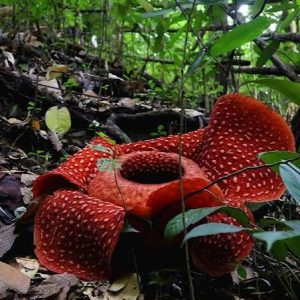
A Fleeting Wonder of Nature
Batang Palupuh: The Ultimate Hotspot in West Sumatra
Traveler’s Tips:
Capture a Once-in-a-Lifetime Botanical Phenomenon!
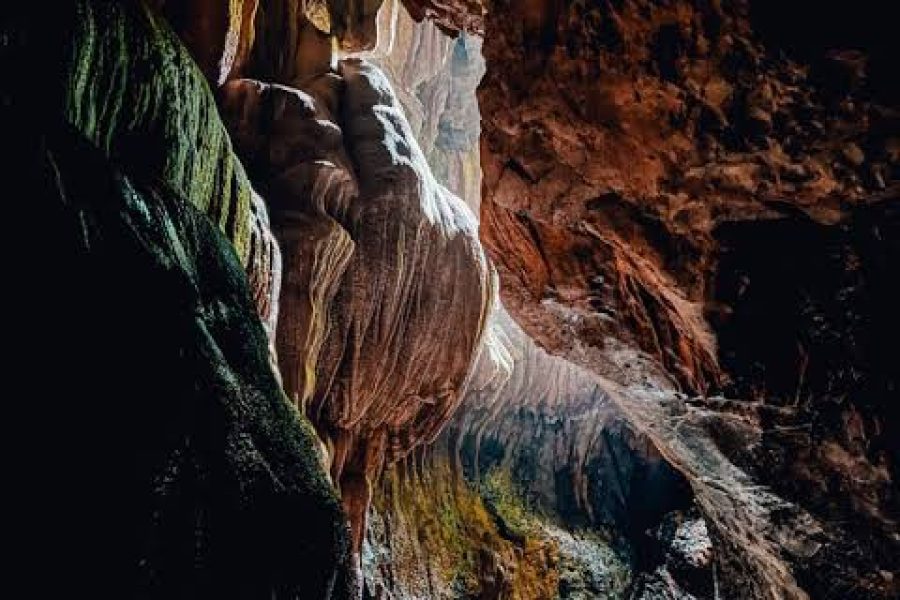
Lake Toba, Bukit Lawang, Gunung Leuser National Park, North Sumatra
(9D8N) The Grand Sumatran Heritage & Wilderness Circuit: Elephants, Orangutans, Canyons & The Volcanic Caldera
0
(No Review)
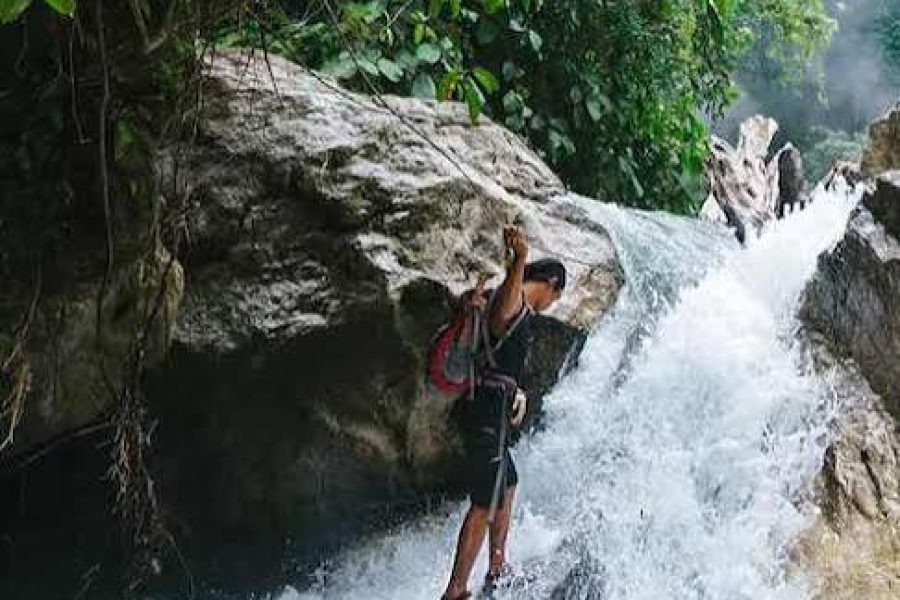
Lake Toba, Bukit Lawang, Ketambe, North Sumatra
(7D6N) Sumatra Untamed: Ketambe Wild Orangutan Expedition & The Grandeur of Lake Toba
0
(No Review)
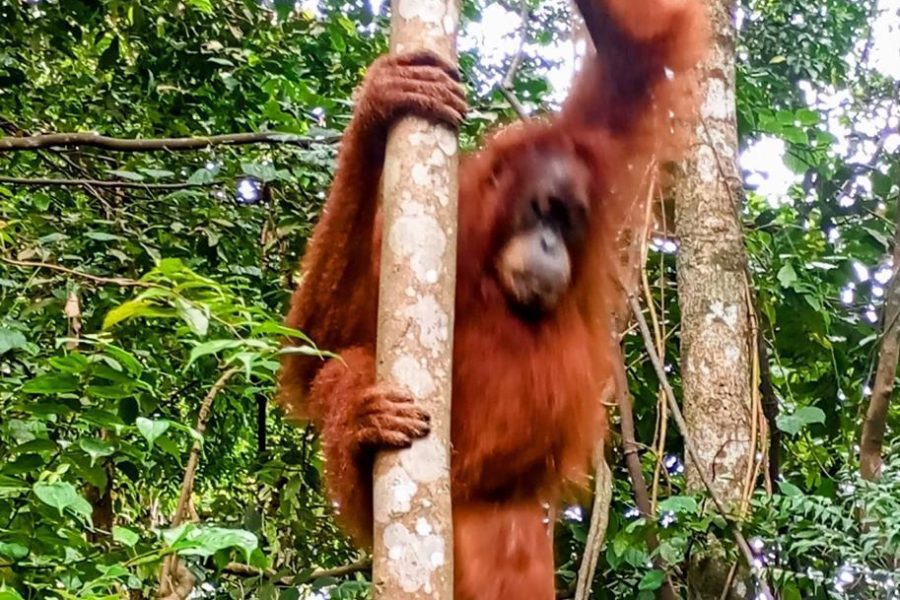
Lake Toba, Bukit Lawang, Berastagi, North Sumatra
(6D5N) Sumatra Wilderness & Wonders Odyssey: Bukit Lawang Orangutans, Volcanic Highlands & Majestic Lake Toba
0
(No Review)
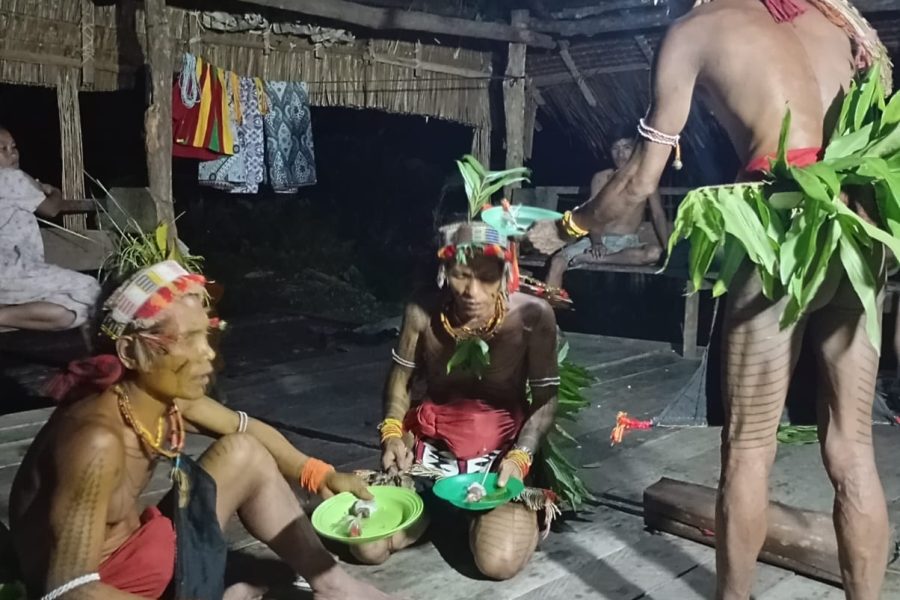
Seiberut Island, Sipora Island, West Sumatra
(6D5N) Chronicles of Mentawai: Shamanic Tribal Immersion & Sipora Island Hopping Odyssey
0
(No Review)
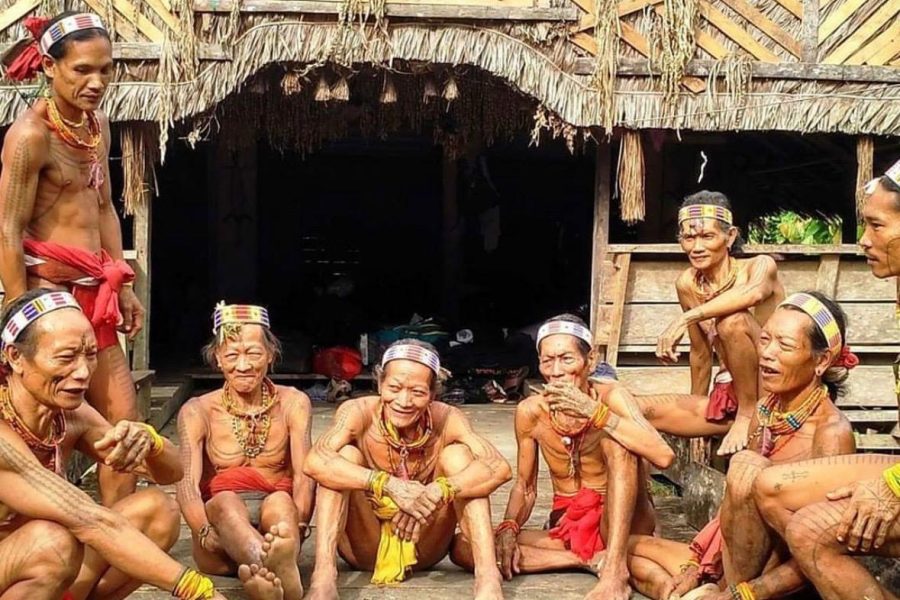
Seiberut Island, West Sumatra
(5D4N) Guardians of the Ancient Forest: Authentic Mentawai Tribe Anthropological Expedition
0
(No Review)
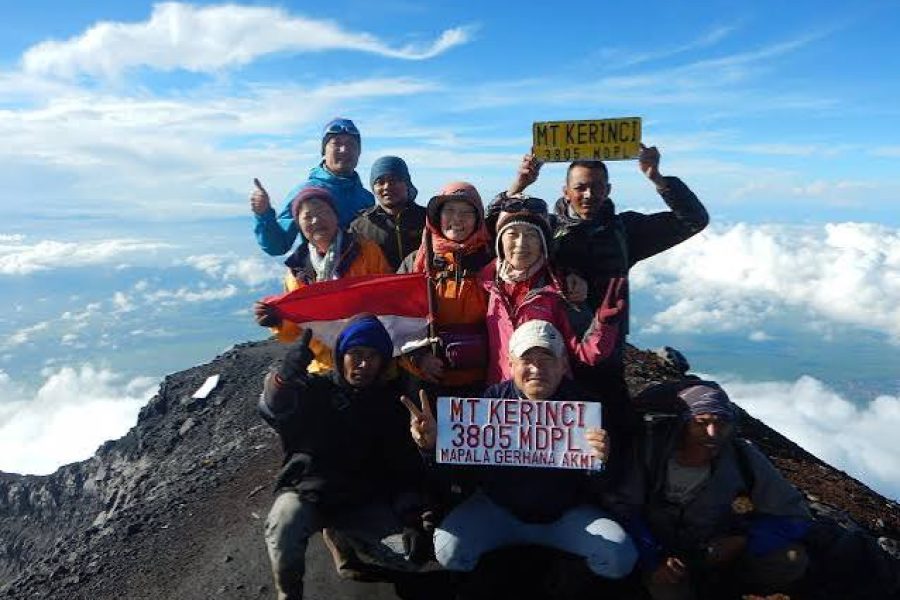
Mount kerinci
(4D3N) Mount Kerinci Volcanic Summit Expedition: Standing on the Roof of Sumatra
0
(No Review)
Lake Toba, Bukit Lawang, Gunung Leuser National Park, North Sumatra, Bukittinggi, Harau Valley, Padang, West Sumatra
(16D15N) The Great Sumatran Alpine & Wilderness Expedition: From Primate Canopies to the Roof of Indonesia
0
(No Review)

Lake Toba, Bukit Lawang, Gunung Leuser National Park, North Sumatra, Bukittinggi, Harau Valley, Padang, West Sumatra
(15D14N) The Grand Sumatran Masterpiece: Rainforest Giants, Volcanic Calderas & West Sumatra Beach Paradise
0
(No Review)
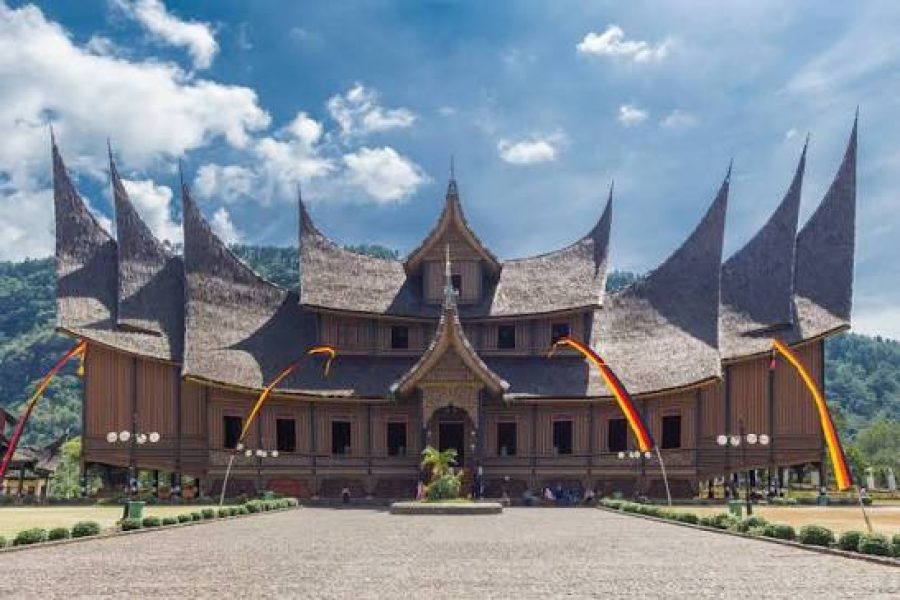
Lake Toba, Bukit Lawang, Gunung Leuser National Park, North Sumatra, Bukittinggi, Harau Valley, Padang, West Sumatra
(13D12N) The Great Trans-Sumatran Overland: From Wild Rainforets to Ancient Minangkabau Kingdoms
0
(No Review)
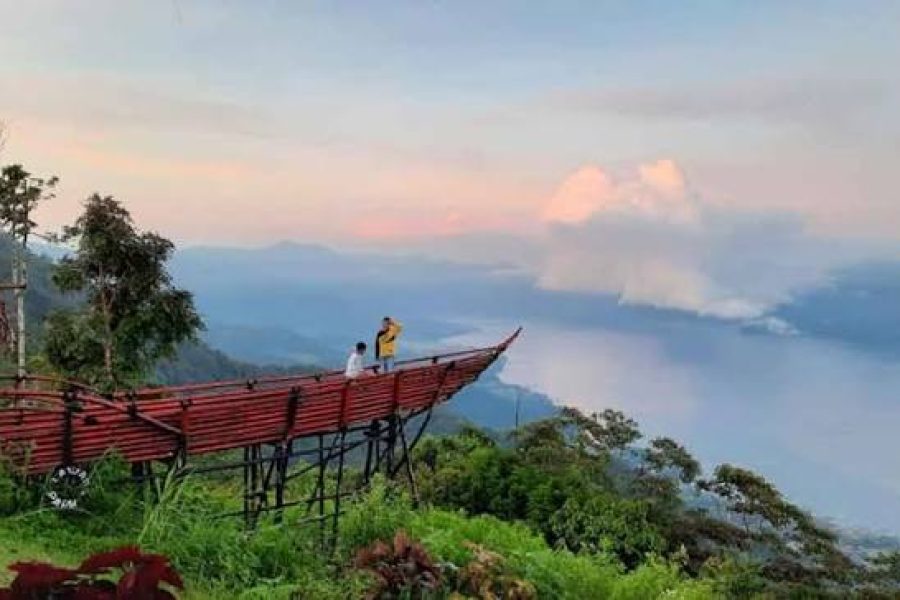
Padang - Bukittinggi - Maninjau
(5D4N) Minangkabau Spectacular Overland: Jelajah Danau Maninjau, Kelok 9, hingga Pesona Pesisir Padang
0
(No Review)
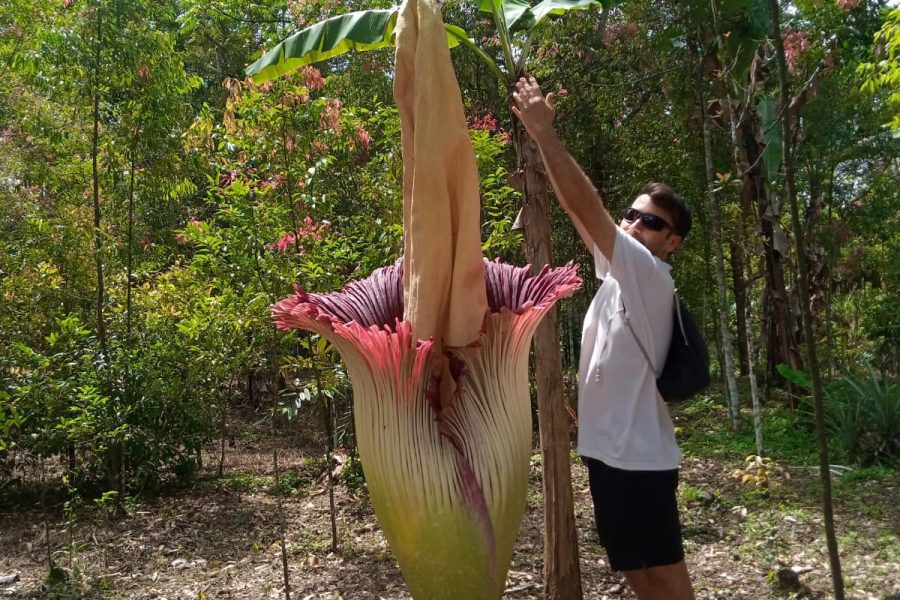
Batu Katak, North Sumatra
(5D4N) Into the Cradle of Giants: Batu Katak Jungle Trek & Rare Flora Expedition
0
(No Review)
Padang - Bukittinggi
(5D4N) Minangkabau Cultural Heritage & Culinary Expedition: From Traditional Spices to Sacred Valleys
0
(No Review)
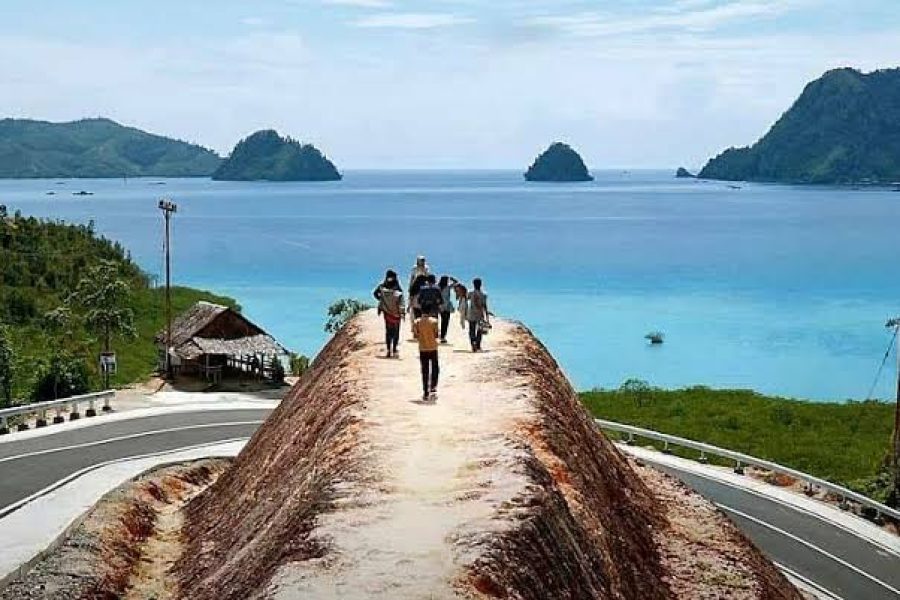
Padang - Bukittinggi - Alahan Panjang
(5D4N) Wonderful Ranah Minang: Petualangan Magis Bukittinggi, Lembah Harau, hingga Surga Tropis Mandeh
0
(No Review)
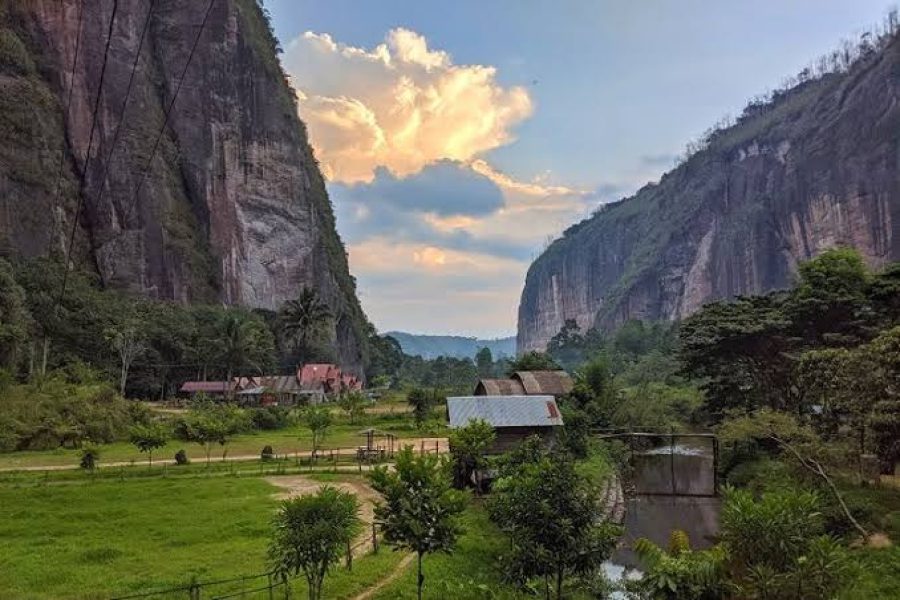
Padang - Bukittinggi - Alahan Panjang
(5D4N) Sumatra Barat Grand Overland: Pesona Alahan Panjang, Bukittinggi & Padang
0
(No Review)

Comment (0)